第78回 思いやりの船
There is an English translation at the bottom of this article. It’s a little bit long, however, please read it when you have time
私が赴任して間もないころ、ある一家のご法事に立ち会いました。
旧本堂の奥の控室には三十人ほどの方々が集まり、故人を囲んでおられます。
その様子は、よくある親戚の集まりとは少し違い、とても楽しげで、温かい雰囲気。
翌年の新盆でも同じように人が集まり、語らい、笑い合う姿がありました。
人を送る場面として、まさに理想の光景の一つであったと、今も鮮明に覚えております。
その後も折々にお会いする機会がありました。
いつも穏やかで、冗談を交えながら家族や知人を大切にされる姿に、私は深い愛情と懐の広さを感じたものです。お経が終わると掘りごたつに招かれ、家の造りや花の話に花が咲き、気づけばお経より長い時間を過ごしていたこともありました。
住職というより近所の子どものように迎えてくださる、その温かさに支えられていたのです。
本年、体調を崩された折、なんとかお母さまのご法事を済ませ、程なくして故人は旅立たれました。
静かに目を閉じられた姿を前に、私は決意しました。
「みんなが納得し、心に何かを感じ、そして出会えて良かったと思える法号をお付けしよう」と。
まず「浄」の字をいただきました。
清らかさの中に芯があり、家族を護る強い意志を込めたものです。
さらに「光」。どんなときも明るく、真っ直ぐであることを示す文字です。
ここで一応の形は整いましたが、なお「故人が本当に望むことは何か」と自問しました。
悲しいかな、先にあの世へと歩まれた事実。
しかしご遺族には「前向きで明るくいなさい」と伝えたいのではないか。
残された者を支える名前でありたい。
そう思いながら経文を探し、目に飛び込んできたのが「如度得船」
――渡りに船を得たるが如し、という言葉でした。
人生の苦しみや悲しみの中にあっても、同じ船に乗り、旅のように楽しめる準備をしておこう。
そうした思いやりの心を、法号に込めたのです。
日蓮聖人のお弟子として「日」の字をお借りし、さらに故人のお名前から一字をいただいて完成した法号。それは、故人と過ごした日々が贅沢や華やかさも求めたわけではなくとも、私たちにとって宝であり、栄えある時間であったことを示すものとなりました。
日蓮聖人のお手紙にはこうあります。
【艮の廊にて尋ねさせ給え、日蓮必ず待ち奉るべく候】
――49日の最後には必ず日蓮が(ご縁ある人と)お待ちしていますよ、と。
いずれ私たちもこの世を終え、49日を迎えるとき、今度は故人が私たちを迎えてくださるでしょう。
さらにこうも記されています。
「今この世で唱える南無妙法蓮華経は、三途の川では船となり、廊下では足元を照らす燈火となる」と。
お通夜、葬儀、そして49日、100ケ日へと歩む中で、悲しみは消えません。
しかし、いつも誰かが故人を囲み、奥さまを護り、寂しさを和らげてくださっています。
故人はこの世の命を終えてなお、私たちの記憶に、心に、さまざまなものを残し続けてくださっているのです。
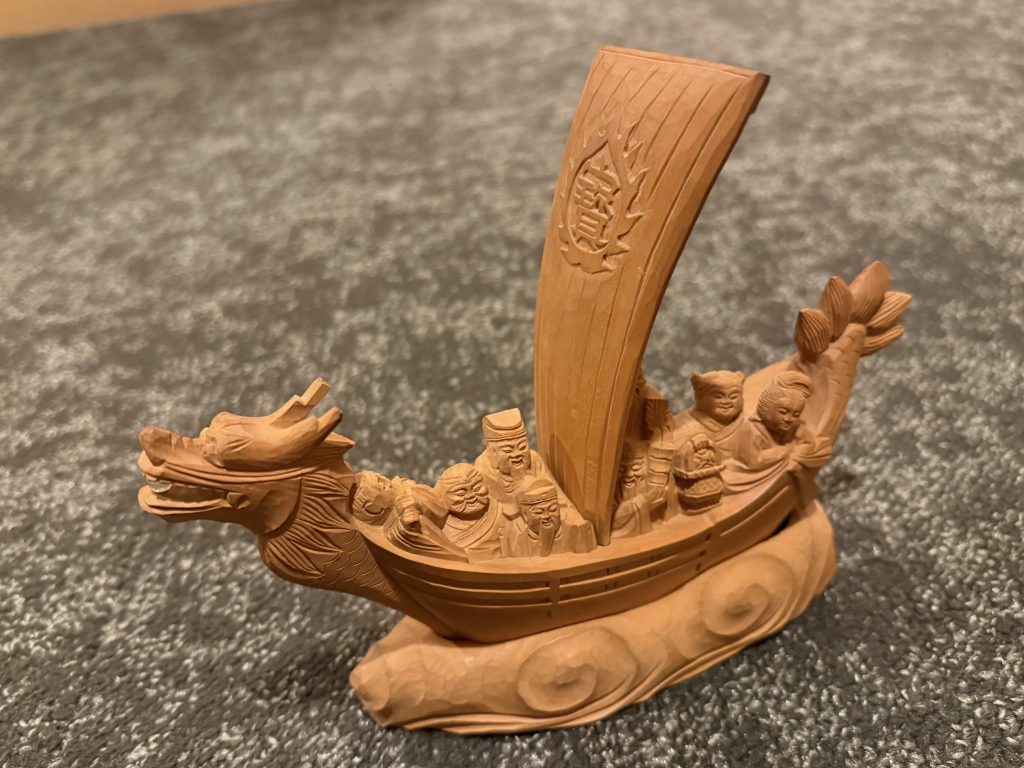
No. 78: The Ship of Compassion
Shortly after I arrived, I attended a memorial service for a family. About 30 people gathered in a waiting room at the back of the old main hall, surrounding the deceased. It was a little different from a typical family gathering; the atmosphere was very joyful and warm. The following year, at the Obon festival, a similar scene unfolded: people gathered, chatting and laughing. I still vividly remember it as one of the ideal scenes for sending someone off.
I had the opportunity to meet him from time to time after that. He was always calm and joking, and the way he cherished his family and acquaintances made me feel his deep love and generosity. After the sutra reading, he invited me to sit down at the sunken kotatsu table, where we chatted about the house’s construction and flowers. Sometimes, I found myself spending more time there than just reciting the sutra. He treated me like a neighborhood kid, rather than like a priest, and I found his warmth very supportive.
This year, when the family was in poor health, we managed to complete the memorial service for his mother, and he passed away shortly thereafter. As I stood before him, his eyes quietly closed, I made a decision.
“I will give him a posthumous name that everyone can accept, that will make them feel something in their hearts, and that they will be glad to have met.”
First, I was given the character “Jō” (purity). It represents a core within purity, and a strong will to protect his family. Next was “Hikari” (light). It is a character that indicates being cheerful and straightforward at all times. At this point, the name was roughly complete, but I still asked myself, “What would the deceased have truly wanted?”
Sadly, he had passed on to the afterlife before me. But I think he would have wanted to tell his family to “stay positive and cheerful.” I wanted a name that would support those left behind. With this in mind, I searched for sutras, and the words that caught my eye were “Ryōdōtokusen” (likely to have found a godsend).
Even amidst the pain and sorrow of life, let’s board the same boat and prepare to enjoy it like a journey. I put this kind of compassion into the posthumous name.
As a disciple of Nichiren Shonin, I borrowed the character “日” (sun) and added a character from my deceased father’s name to complete my posthumous name. It symbolizes that the days we spent with our deceased loved ones were treasured and glorious, even if they were not luxurious or glamorous.
Nichiren Shonin’s letter reads:
[Please allow me to call upon you in the Gonno Corridor, Nichiren will surely await you.]
–Nichiren will surely be waiting for you (with someone destined to be with you) at the end of the 49 days.
When we too leave this world and reach the 49th day, our deceased loved ones will welcome us back.
Nichiren also wrote:
“The Namu Myoho Renge Kyo we chant in this life will become a boat on the Sanzu River and a light to light our feet in the corridors.”
As we move through the wake, funeral, and the 49th and 100th days, grief never fades. However, there is always someone surrounding the deceased, protecting their wife and easing their loneliness.
Even after the deceased have passed away, they continue to leave many things in our memories and hearts.